Introduction: The Importance of Choosing the Right Tile Installation Method
In the evolving world of tile installation, the methods you choose can significantly impact both the aesthetic and functionality of your space. For residents and businesses in Meridian, Idaho, understanding these methods is crucial to making informed decisions. In 2026, with new technologies and materials available, choosing the right tile installation approach is more important than ever. Whether you're a homeowner revamping your kitchen or a business owner updating your floor, this guide will help you compare different tile installation methods to find the perfect fit for your project.
Understanding Different Tile Installation Methods
Before diving into comparisons, it's essential to understand the various tile installation methods available. Here are the most prevalent techniques in 2026:
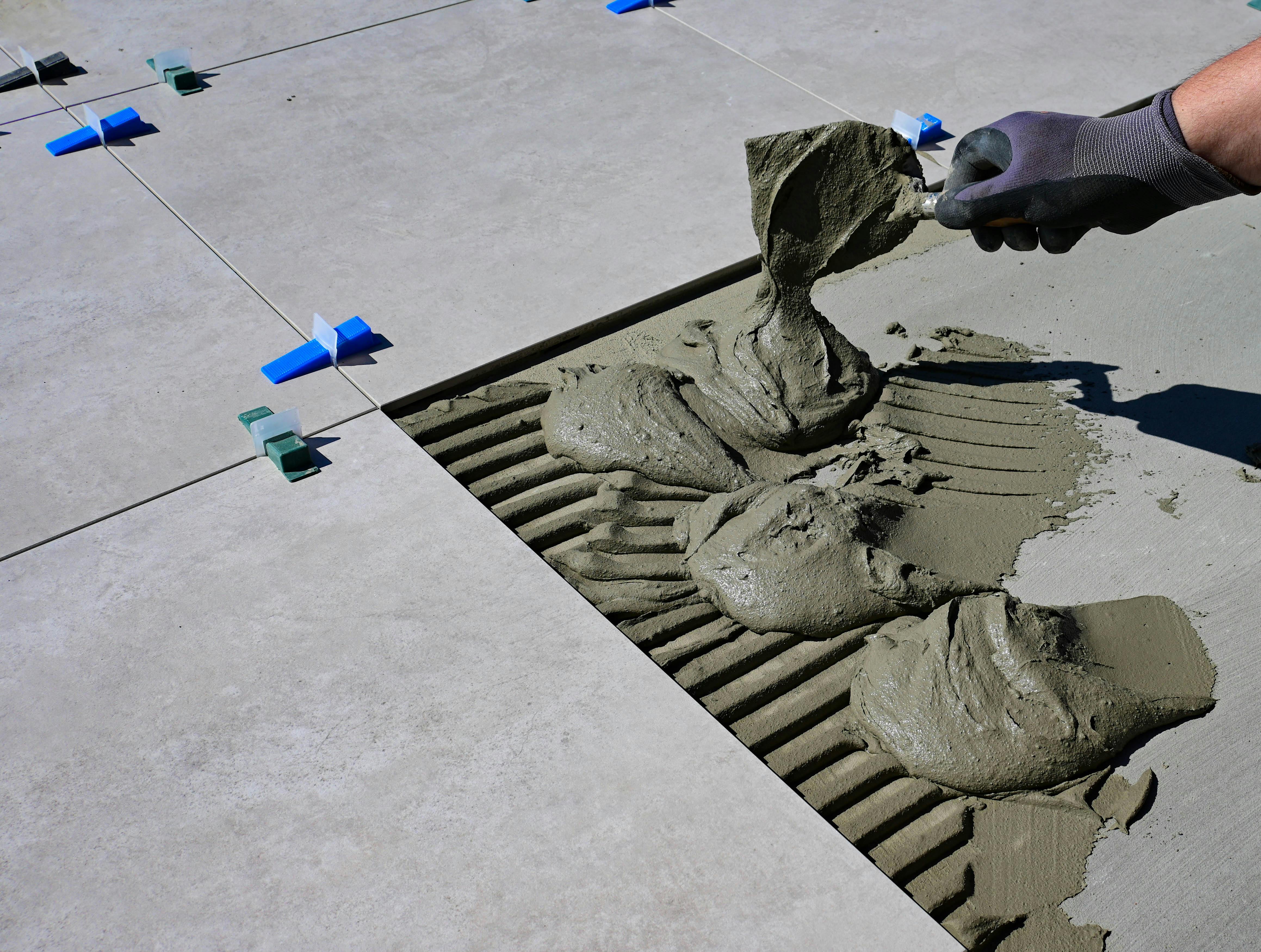
- Thin-Set Method: This traditional method involves using a thin layer of mortar to adhere tiles. It's popular for its durability and versatility, suitable for both walls and floors.
- Self-Leveling Method: A newer technique, self-leveling involves pouring a liquid underlayment that creates a perfectly flat surface for tile placement. Ideal for uneven floors.
- SnapStone Floating Tile System: This system allows tiles to be installed without mortar, using interlocking edges that snap together. It's a DIY-friendly option.
- Tile Adhesive Sheets: These peel-and-stick sheets simplify tile installation, making them perfect for quick renovations or temporary solutions.
Comparing Tile Installation Methods: Pros and Cons
Thin-Set Method
Pros:
Highly durable, strong adhesion, suitable for humid environments.
Cons:
Requires skilled labor, longer installation time, potential for uneven surfaces if not done correctly.
Self-Leveling Method
Pros:
Ensures a perfectly flat surface, reduces installation time, excellent for large tiles.
Cons:
Higher cost due to materials, may require professional installation.
SnapStone Floating Tile System
Pros:
Easy to install, no need for mortar, reusable tiles.
Cons:
Limited to specific tile sizes and styles, not as durable for high-traffic areas.
Tile Adhesive Sheets
Pros:
Quick and easy installation, ideal for temporary solutions, minimal mess.
Cons:
Less durable, may not adhere well in moist areas, limited design options.
Choosing the Right Method for Your Project
When deciding on the best tile installation method for your needs, consider the following factors:
- Project Scope: Large projects may benefit from the precision of the self-leveling method, while smaller DIY projects could leverage the simplicity of adhesive sheets or SnapStone.
- Budget: The thin-set method is cost-effective for long-term installations, whereas adhesive sheets offer a budget-friendly short-term solution.
- Skill Level: For homeowners without much experience, SnapStone and adhesive sheets provide user-friendly options.
- Location: Humid areas like bathrooms may require the robust adhesion of the thin-set method.
Conclusion: Make the Right Choice with Confidence
Selecting the right tile installation method is crucial for achieving the desired look and durability in your Meridian, Idaho property. By understanding the pros and cons of each method, you can ensure that your choice aligns with your project's unique requirements. Whether you opt for the traditional reliability of the thin-set method, the innovative self-leveling approach, the DIY-friendly SnapStone system, or the quick adhesive sheets, each option offers distinct benefits suited to different scenarios. For personalized advice or professional installation, contact Tommy The Tile Guy, your local expert in Meridian, Idaho, ready to help you bring your tile vision to life.
Additional Resources
For more information on tile installation techniques and trends in 2026, check out our previous blog posts on [Tommy The Tile Guy's Blog](#). Stay updated with the latest in tile innovations and ensure your projects are both modern and efficient.